

Blog list
Mind Body Spine Chiropractic Blog
Learn more about chiropractic care in our blog!
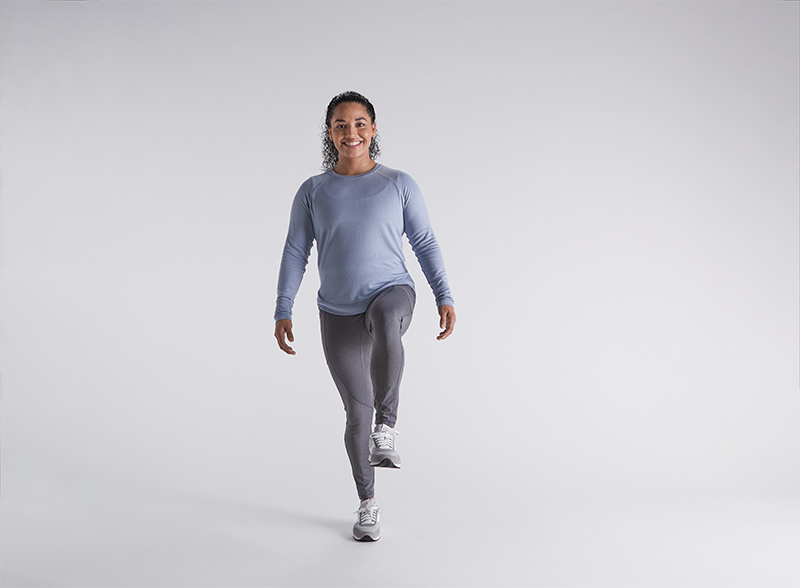
When golfers want more distance, they think about swing speed. When they want more accuracy, they think about swing path. Balance rarely comes up, and that is a problem, because the research is clear: balance is one of the most important physical skills in golf, and most recreational golfers do not have enough of it.
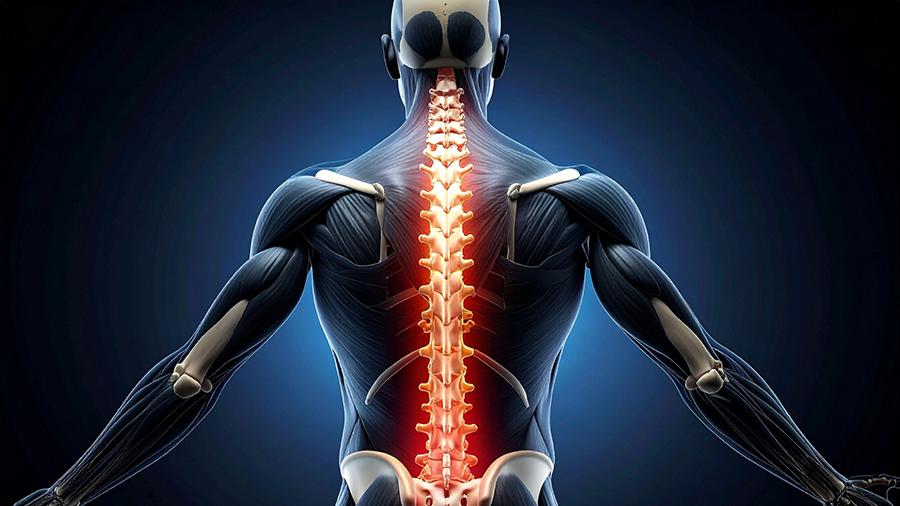
If you sit at a desk, drive a car, or spend time looking at a phone, and we all do, there is a good chance your upper and mid-back are stiffer than they should be. Most people write this off as general tightness or poor posture. For golfers, it is something more specific: it is one of the most common and most damaging physical limitations in the game.
When golfers lose distance or develop lower back pain, the first instinct is to look at the swing. But in many cases, the real problem is sitting deeper, literally. Tight hips are among the most common and consequential physical limitations in golf, and they affect far more than just how far you can turn.

Most golfers invest heavily in their game. New drivers engineered to tighten dispersion. Irons fitted to their exact swing weight and lie angle. Lessons with teaching professionals analyzing their swing on video frame by frame. Training aids, launch monitors, premium balls, the pursuit of improvement drives a multi-billion dollar industry built on the promise of lower scores.
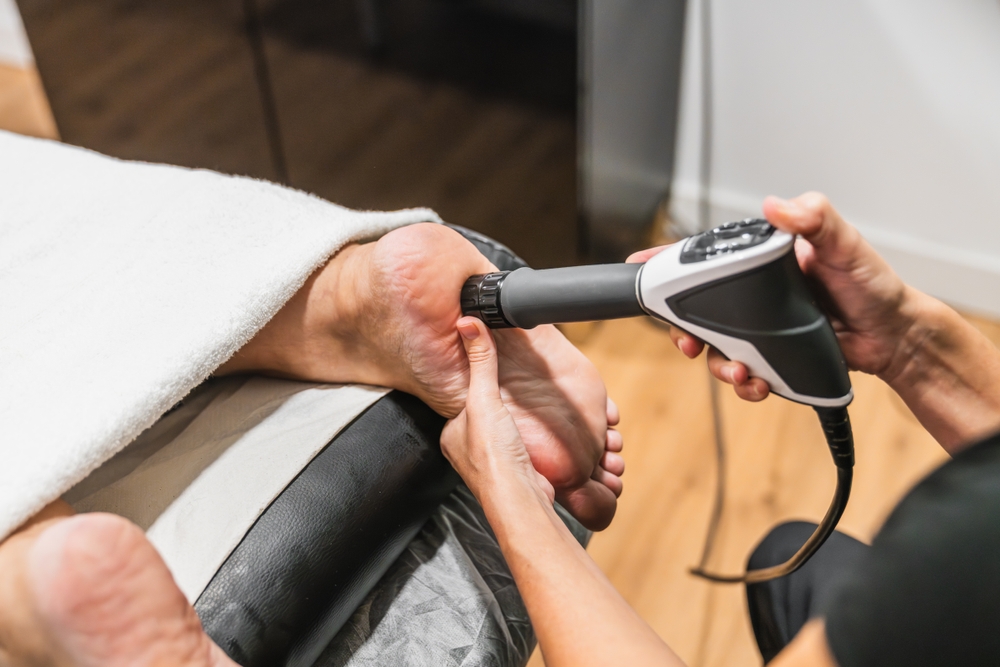
Foot and tendon pain can make walking, exercising, and completing everyday activities uncomfortable. When plantar fasciitis or tendonitis becomes persistent, rest and home care may not be enough to address irritated tissue. Radial pressure wave therapy in Brewster, MA offers a non-invasive option designed to stimulate the body’s natural repair process and support a more efficient recovery.
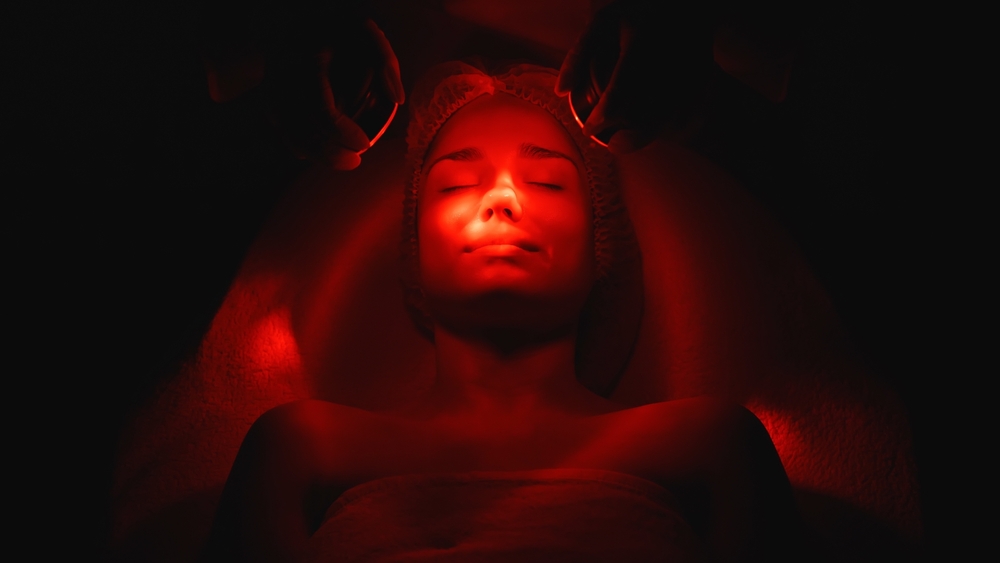
Soft tissue injuries can make everyday movement painful and limit your ability to exercise, work, or stay active. Strained muscles, irritated tendons, and inflamed ligaments often need time to recover because damaged tissue may receive limited circulation. Cold laser therapy and red light therapy offer non-invasive ways to support the body’s natural repair process while helping manage discomfort.
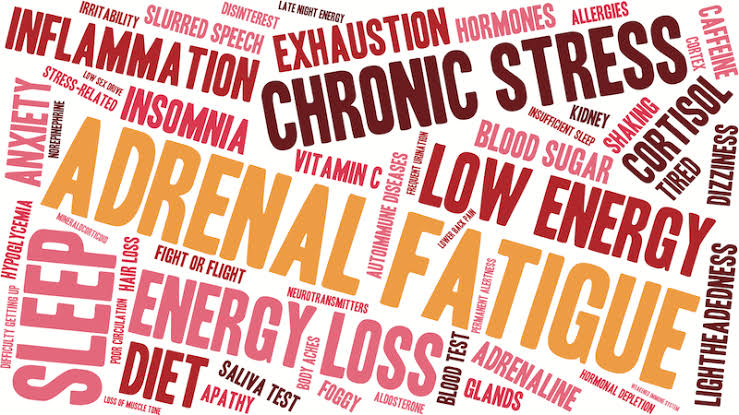
If you’ve been running on stress and caffeine, you may have noticed something frustrating: bloating, fatigue, and stubborn belly fat that won’t budge no matter what you eat. That’s not a willpower problem, it’s your body’s stress response working against you. The good news? Once you understand the connection between chronic stress and your metabolism, you can start turning things around.
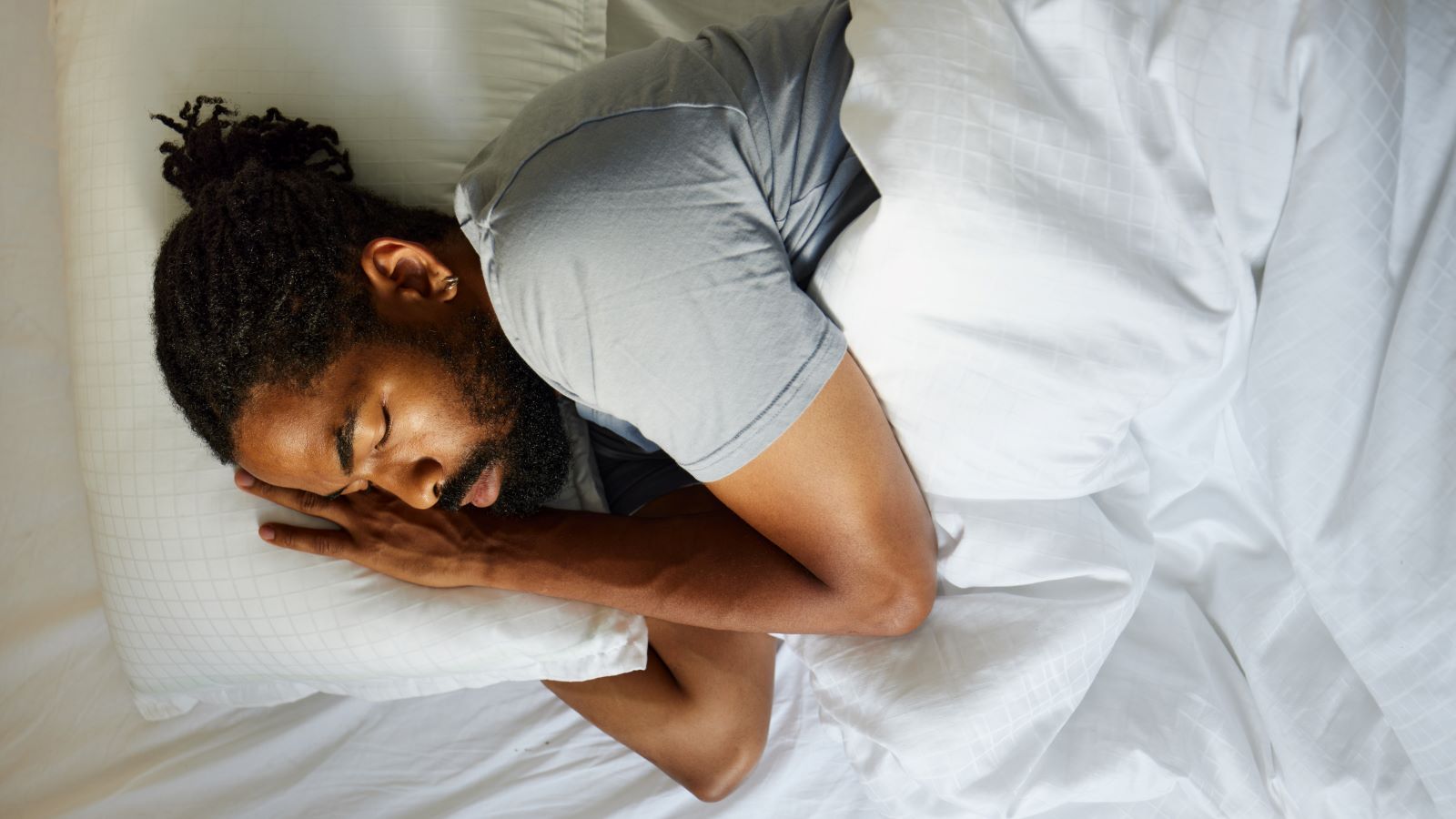
What if one of the most effective fat-loss tools was something you already do every night? It sounds too good to be true, but science backs it up: quality sleep is one of the most powerful things you can do to burn fat, control cravings, and keep your metabolism running strong. Here’s how your body burns fat while you rest and how to make sure you’re getting the most out of every hour of sleep.
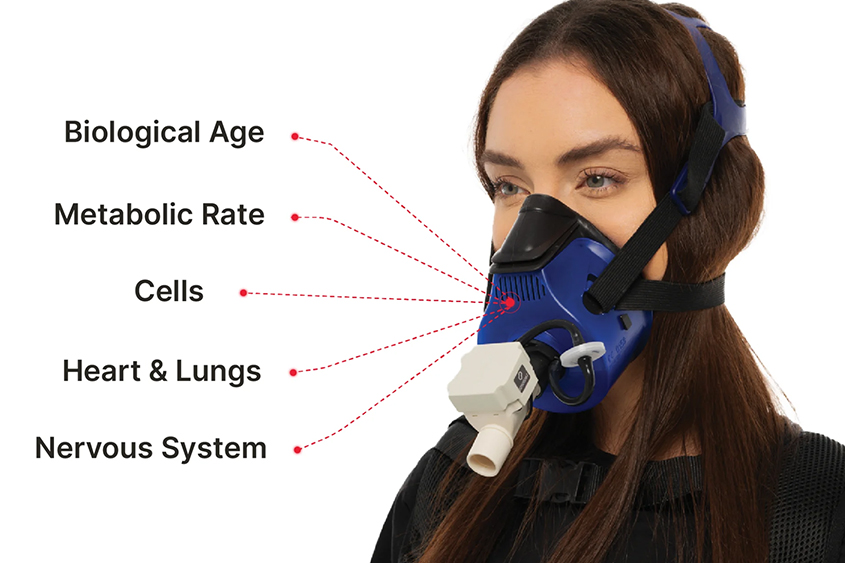
Most people believe fat is burned by working up a sweat, or that it melts away through the skin. The truth is stranger—and more fascinating—than that. The vast majority of the fat you lose literally leaves your body through your lungs. And how efficiently that process works depends heavily on a single measurable number: your VO₂ max.


MAP
© 2026 Mind Body Spine Chiropractic. All Rights Reserved. Accessibility Statement - Privacy Policy - Terms and Services - Sitemap
Powered by: 