

Your Gut: The Hidden Root of Chronic Health Problems
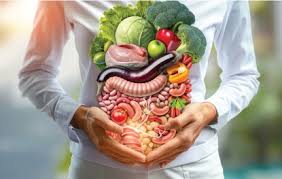
In our first post on deficiency and toxicity, we talked about how most chronic health problems come down to two root causes: your body is either missing what it needs or overwhelmed by what's harming it. Today, we're diving deep into a system that's absolutely critical to both sides of this equation, your digestive system.
Here's something most people don't realize: your gut isn't just about digestion. It's the gateway that determines what gets into your body and what stays out.
Think about it this way, your gut is like a sophisticated security checkpoint combined with a manufacturing facility. When everything's working properly, it lets the good stuff in (nutrients) while keeping the bad stuff out (toxins, bacteria, undigested particles). At the same time, it's busy producing vitamins, creating neurotransmitters that affect your mood, and housing 70% of your immune system.
But when your gut is dysfunctional, when it's deficient in what it needs, or toxic from what it's overwhelmed by, it becomes the source of problems that seem completely unrelated to digestion. I'm talking about chronic pain, brain fog, fatigue, anxiety, autoimmune conditions, and more.
Your Gut Has Two Critical Jobs
Picture your digestive system as having two essential roles that keep you healthy.
The first job is gatekeeper. Your gut lining is a selective barrier; it should let nutrients pass through into your bloodstream while blocking out toxins, undigested food particles, bacteria, and other harmful substances. When this barrier works properly, you get nutrition without inflammation. When it fails, all hell breaks loose.
The second job is factory. Your gut produces digestive enzymes that break down food, absorbs nutrients into your bloodstream, manufactures vitamins, creates neurotransmitters (90% of your serotonin is made in your gut), and houses the majority of your immune system.
When either job fails, your entire health suffers. And most people walking around today have some degree of gut dysfunction and have no idea it's the source of their "unrelated" health problems.
When Your Gut Can't Get What It Needs
Your body produces specific enzymes to break down different types of food. It's a beautiful system when it works. But when enzyme production falls short, food doesn't get fully broken down. You end up with large, partially digested particles sitting in your gut triggering inflammation, reducing nutrient absorption, and leaving you bloated and uncomfortable.
Chronic stress is a major enzyme killer; when you're in fight-or-flight mode, your body shuts down digestive function. Aging naturally decreases enzyme production. Poor diet quality and certain medications all contribute.
Here's the frustrating part: even if you're eating a perfectly healthy diet, if you can't break down that food properly, your body becomes deficient in nutrients. You're eating them, but you're not absorbing them.
Even if food is properly broken down, your gut lining must be able to absorb those nutrients. Your small intestine is lined with tiny finger-like projections that increase absorption area. When these get damaged or inflamed, absorption fails.
I see this constantly. Someone is eating well, taking supplements, doing everything "right," but they're still exhausted, developing anemia, and their bones are getting weaker. The nutrients pass right through without being absorbed. This can happen from celiac disease, inflammatory bowel disease, SIBO, parasitic infections, chronic inflammation, or even just low stomach acid production.
Here's where the chiropractic connection comes in: the nerves controlling your digestive organs exit from your mid-back. When these spinal segments are misaligned, nerve interference can impair digestive enzyme secretion and gut motility. This is why so many patients report improved digestion after spinal adjustments.
Your Microscopic Allies Are Dying Off
You have trillions of bacteria living in your gut, and they're essential partners in your health. These beneficial bacteria produce vitamins your body needs, break down fiber into compounds that fuel your gut cells, train and regulate your immune system, prevent harmful bacteria from taking over, and even produce neurotransmitters like serotonin and GABA that affect your mood and anxiety levels.
But when these beneficial bacteria get depleted from antibiotics, poor diet, chronic stress, excessive alcohol, or artificial sweeteners, harmful bacteria move in and take over. This imbalance creates inflammation, weakens your gut barrier, decreases nutrient production, confuses your immune system, and deteriorates your mental health.
The research is crystal clear: people with chronic pain conditions, autoimmune diseases, obesity, depression, and anxiety almost always have significantly altered gut microbiomes compared to healthy individuals.
When Your Gut Becomes Toxic
Your gut lining should be selectively permeable, a sophisticated barrier that lets nutrients through while blocking everything else. But when the tight junctions between gut cells become damaged and loose, larger particles can slip through. This is leaky gut, and it's far more common than most people realize.
Chronic inflammation, gluten in sensitive individuals, excessive alcohol, chronic use of NSAIDs like ibuprofen, chronic stress, infections, gut dysbiosis, and poor diet all damage this barrier. Basically, everything about modern life is conspiring to make your gut leaky.
When your gut becomes leaky, undigested food particles enter your bloodstream. Bacterial toxins slip through. Your immune system goes on high alert. Widespread inflammation is triggered throughout your entire body. You develop sensitivities to foods that were never a problem before.
Suddenly you're reacting to multiple foods, experiencing chronic inflammation and pain, dealing with brain fog, struggling with chronic fatigue, suffering from joint pain, developing skin conditions, and battling mood disorders and you have no idea it all started in your gut.
Remember, about 70% of your immune system lives in and around your gut. When the gut barrier fails, your immune system creates systemic inflammation that affects every organ in your body.
When Bad Bacteria Take Over
When harmful bacteria overgrow or beneficial bacteria are depleted, your gut microbiome becomes toxic. Harmful bacteria start producing inflammatory compounds and toxins that trigger systemic inflammation and can contribute to metabolic disorders, obesity, and diabetes.
SIBO is even more specific; it's when bacteria that belong in your colon migrate up and colonize your small intestine. They ferment food prematurely, creating excessive gas and bloating. They interfere with nutrient absorption, damage the gut lining, and produce toxic byproducts that make you feel awful.
This toxic bacterial environment creates inflammatory endotoxins, excessive gas, histamine reactions, ammonia and metabolic waste, and compounds that directly affect your brain function. The result is chronic digestive pain, brain fog, mood disorders, systemic inflammation, and metabolic dysfunction.
The Food Sensitivity Spiral
When your gut is inflamed and leaky, and your microbiome is imbalanced, you suddenly start reacting to foods that shouldn't be a problem. Foods you've eaten your whole life suddenly make you feel terrible.
The cascade works like this: your gut barrier weakens from stress or poor diet. Undigested food proteins leak through. Your immune system reacts to them as foreign invaders. Inflammation is triggered every time you eat that food. This inflammation causes more gut damage. The cycle worsens and spreads to more foods.
The confusing part is that these aren't traditional allergies. These are delayed sensitivity reactions that can occur hours or even days after eating the food, making them incredibly hard to identify.
You might experience joint pain, headaches, skin rashes, fatigue, brain fog, mood changes, or digestive symptoms, all from eating foods that most people tolerate fine. When you're eating multiple trigger foods regularly without knowing it, your body exists in a constant state of inflammation that affects your energy, detoxification, nervous system, and pain levels.
Your Gut Is Talking to Your Brain
Your gut and brain are in constant communication through the gut-brain axis. This is a two-way highway of information. Your gut bacteria produce neurotransmitters like serotonin and dopamine. Your vagus nerve carries signals from gut to brain. Everything should be balanced and harmonious.
But when the gut becomes toxic, everything changes. Toxic gut bacteria produce less serotonin and less GABA. They produce more inflammatory compounds that reach your brain and cross the blood-brain barrier.
The result? Depression and anxiety, brain fog and poor concentration, memory problems, mood swings, increased pain sensitivity throughout your entire body, and poor stress resilience. Your gut isn't just affecting your digestion, it's literally changing your brain chemistry and your emotional state.
Studies now show that people with depression, anxiety, ADHD, autism, and even Parkinson's disease often have significantly altered gut microbiomes. The gut-brain connection isn't metaphorical, it's biological and measurable.
A Story That Changed Everything
Let me tell you about Maria, because her story illustrates this gut-pain connection perfectly.
Maria was 42 when she first came to see me for chronic low back and hip pain. She'd been dealing with it for over two years. We started working together with adjustments, and she'd get some relief, but the pain always came roaring back within a few days.
During one visit, almost as an afterthought, she mentioned that her digestion had been "a mess" for years. Chronic bloating, alternating between constipation and diarrhea, frequent heartburn. She didn't think it was related to her back pain, so she'd never brought it up.
That's when the lightbulb went off. I suspected Maria's gut was inflamed and creating systemic inflammation that was keeping her in chronic pain. The spinal adjustments were helping mechanically, but we weren't addressing the inflammatory fire burning in her gut.
When we evaluated deeper, the signs were all there. Severe bloating after most meals. Multiple food sensitivities that she was unknowingly eating trigger foods daily. Clear signs of gut dysbiosis and high levels of systemic inflammation.
We put together a complete plan: elimination diet to identify trigger foods, gut repair protocol with probiotics and digestive enzymes, continuation of chiropractic adjustments including specific work on the thoracic spine segments that control digestive organs, and stress management.
Within four weeks, Maria's digestive symptoms improved by 70%. But here's the remarkable part, her back and hip pain also decreased by about 60%. By addressing the gut inflammation, we reduced her systemic inflammatory burden, and her body could finally heal.
Three months later, she was virtually pain-free, both digestively and musculoskeletally. We weren't just adjusting her spine anymore—we were treating the whole system.
Why Your Gut Inflammation Hurts Your Whole Body
Maria's story illustrates something crucial: chronic gut dysfunction creates systemic inflammation that amplifies pain throughout your entire body.
Leaky gut allows toxins and undigested proteins into your bloodstream. Your immune system activates and produces inflammatory signals that travel throughout your body. Your nervous system becomes sensitized to pain. Your pain threshold lowers, things that shouldn't hurt now do. Existing pain becomes worse and more chronic. Healing and recovery slow to a crawl.
This is why people with gut issues so often have chronic joint pain, fibromyalgia, headaches, widespread muscle pain, hypersensitivity to touch, and poor recovery from injuries. Their gut is creating an inflammatory environment that's making everything hurt more.
The gut isn't just about digestion, it's about inflammation control. When your gut is healthy, it regulates inflammation. When it's dysfunctional, it becomes an inflammation factory.
The Spine-Gut Connection You Need to Know
Your digestive organs are controlled by nerves exiting from specific spinal levels. Your mid-back controls your stomach, liver, gallbladder, pancreas, and small intestine. Your lower back influences your large intestine. Your sacrum and pelvis control bowel function.
When these spinal segments are misaligned, nerve signals to your digestive organs get disrupted. Enzyme secretion may decrease. Gut motility can slow down or speed up inappropriately. Blood flow to digestive organs may be reduced. The vagus nerve can be affected.
When we adjust these areas, nerve communication improves, digestive function normalizes, and many patients report better digestion, reduced bloating, and more regular bowel movements. This is the nervous system doing what it's designed to do when interference is removed.
The vagus nerve is the primary nerve connecting your brain to your gut. It influences digestive enzyme secretion, gut motility, inflammation regulation, gut-brain signaling, and even your gut microbiome composition. Chiropractic adjustments, especially in the upper neck and mid-back, can influence vagal tone, leading to better digestion, improved parasympathetic activity, reduced gut inflammation, and better gut-brain communication.
The Path to Healing Your Gut
To truly heal your gut, you need a comprehensive approach. We call it the 4R approach
First, remove the toxicity. Identify and eliminate trigger foods through an elimination diet. Remove common culprits for three to four weeks, then systematically reintroduce them. Reduce inflammatory inputs by minimizing processed foods, sugar, and artificial additives while limiting alcohol and reducing NSAID use when possible. Address infections like SIBO, parasites, or pathogenic bacteria if symptoms warrant testing.
Second, replace what's missing. Support digestive enzyme production with supplements if deficient, and consider bitter foods or herbs before meals. Restore beneficial bacteria with high-quality probiotic supplements containing multiple strains and eat fermented foods like sauerkraut, kimchi, kefir, and yogurt. Provide gut-healing nutrients like L-glutamine for the gut lining, zinc carnosine for barrier repair, omega-3 fatty acids to reduce inflammation, and vitamin D for immune regulation.
Third, focus on repairing the gut lining. Remove inflammatory triggers first, support the healing process with gut-healing nutrients, give it time (full healing takes months), and reduce stress.
Fourth, support your nervous system function through regular spinal adjustments to optimize nerve flow to digestive organs, specific work on the thoracic and upper cervical spine, vagus nerve stimulation through adjustments, and stress management support since chiropractic care reduces sympathetic overdrive.
Finally, rebalance the system for the long term. Give your gut microbiome what it needs with a diverse, plant-rich diet, fermented foods regularly, adequate fiber, minimal artificial sweeteners, and consider time-restricted eating. Support long-term gut health by managing stress consistently, prioritizing sleep, engaging in regular movement, maintaining healthy relationships, and continuing chiropractic care.
The Bottom Line
Your gut is where deficiency and toxicity meet. It's where nutrients are absorbed or missed. It's where beneficial bacteria support you or harmful bacteria create toxins. It's where the barrier protects you or fails and lets inflammation flood your system.
When your gut is healthy, nutrients are absorbed efficiently, beneficial bacteria support immune function and neurotransmitter production, the gut barrier protects you, inflammation stays controlled, the gut-brain connection supports mental health, systemic inflammation stays low, and pain and chronic conditions improve.
When your gut is dysfunctional, nutrient deficiencies develop even with a good diet, harmful bacteria create toxic byproducts, the gut barrier becomes leaky, inflammation spreads throughout your body, brain function suffers, pain becomes chronic and widespread, and healing is impaired.
You can't out-supplement, out-adjust, or out-exercise a toxic gut. But when you address gut health as part of your complete wellness plan, combining proper nutrition, gut support, and chiropractic care to optimize nervous system function, remarkable healing becomes possible.
Your gut isn't just about what you eat. It's about what you absorb, what you keep out, and how much inflammation you're creating or controlling every single day.
Fix your gut, and watch how many other "unrelated" problems start to resolve.
🦠 GUT HEALTH ASSESSMENT
Dealing with chronic digestive issues, unexplained pain, fatigue, or brain fog?
Call/Text today to schedule your complimentary Gut-Spine Connection consultation.
Scientific References:
Bischoff SC, et al. (2014). Intestinal permeability—a new target for disease prevention and therapy. BMC Gastroenterology, 14, 189.
Cryan JF, Dinan TG. (2012). Mind-altering microorganisms: the impact of the gut microbiome on brain and behaviour. Nature Reviews Neuroscience, 13(10), 701-712.
Fond G, et al. (2015). The "psychomicrobiotic": Targeting microbiota in major psychiatric disorders. Pathologie Biologie, 63(1), 35-42.
Mayer EA, et al. (2015). Gut microbes and the brain: paradigm shift in neuroscience. Journal of Neuroscience, 35(46), 15490-15496.
Mu Q, et al. (2017). Leaky gut as a danger signal for autoimmune diseases. Frontiers in Immunology, 8, 598.
Petra AI, et al. (2015). Gut-microbiota-brain axis and its effect on neuropsychiatric disorders with suspected immune dysregulation. Clinical Therapeutics, 37(5), 984-995.
Schroeder BO, Bäckhed F. (2016). Signals from the gut microbiota to distant organs in physiology and disease. Nature Medicine, 22(10), 1079-1089.
Tilg H, Moschen AR. (2014). Microbiota and diabetes: an evolving relationship. Gut, 63(9), 1513-1521.
Vighi G, et al. (2008). Allergy and the gastrointestinal system. Clinical & Experimental Immunology, 153(s1), 3-6.


MAP
© 2026 Mind Body Spine Chiropractic. All Rights Reserved. Accessibility Statement - Privacy Policy - Terms and Services - Sitemap
Powered by: 