

Your Nervous System: The Master Control That's Either Healing You or Hurting You
In my last post, we talked about how most chronic health problems come down to two root causes: deficiency (missing what you need) and toxicity (overwhelmed by what's harming you). Today, I want to zoom in on the system that controls everything else in your body, your nervous system.
Here's something most people don't realize: your nervous system doesn't just allow you to move and feel things. It's the master coordinator of every single function in your body from digestion and immune response to healing and hormone balance. When your nervous system is deficient or toxic, everything else struggles.
This is why chiropractic care can have such far-reaching effects. When we remove interference from your nervous system and support its optimal function, we're not just treating back pain, we're giving your entire body a better chance to heal itself.
Let me show you what nervous system deficiency and toxicity actually look like, and more importantly, what you can do about it.
Your Nervous System Runs Everything
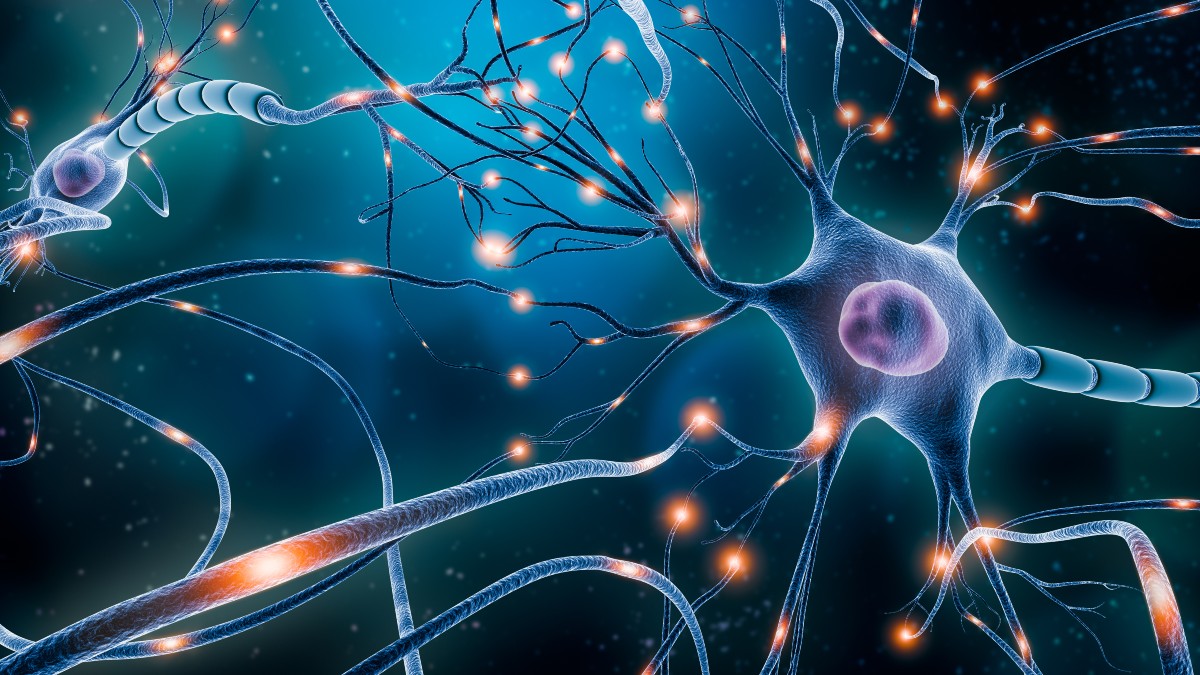
Your nervous system has two main branches that work together. The central nervous system, your brain and spinal cord, is like the command center. It processes information and sends instructions. The peripheral nervous system includes all the nerves branching out from your spine to every organ, muscle, and tissue in your body. These are the communication highways.
Within this system, you have two operating modes. The sympathetic nervous system is your "fight or flight" mode that revs you up for action, increases heart rate, shunts blood to muscles, and puts digestion and healing on hold. The parasympathetic nervous system is your "rest and digest" mode that calms you down, supports digestion, activates healing, and promotes recovery. The vagus nerve is the superhighway of this system, connecting your brain to your heart, lungs, gut, and other vital organs.
A healthy nervous system smoothly shifts between these modes as needed. Problems arise when you get stuck in one mode especially when you're locked in sympathetic overdrive.
When Your Nervous System Can't Communicate Properly
Nervous system deficiency happens when the signals your body needs to function, heal, and regulate itself are blocked, diminished, or missing entirely.
The foundation of chiropractic care is addressing physical nerve interference. When vertebrae in your spine misalign, they can interfere with the nerves exiting your spinal cord. We call these misalignments subluxations. Think of it like a kinked garden hose. The water (nerve signals) is trying to flow, but the kink restricts it. Even a small amount of pressure on a nerve can reduce the quality and quantity of information flowing through it.
This interference can show up as pain, numbness, or tingling. But it can also cause reduced organ function, decreased healing capacity, muscle weakness or tension, and digestive issues, breathing problems, or other symptoms that seem completely unrelated to your spine.
The good news? This is directly addressable through chiropractic adjustments. When we restore proper alignment, we remove the interference and allow your nervous system to communicate clearly again.
Your nervous system doesn't just control movement, it needs movement to stay healthy. Nerves require blood flow to deliver oxygen and nutrients, and movement is what pumps that blood through your tissues. When you sit for hours, several things happen. Sitting puts prolonged pressure on nerves in your hips, legs, and lower back. Less movement means less blood flow and less oxygen and nutrients to nerve tissue. Your brain gets less feedback about body position, weakening the nerve-muscle connection. Joints that don't move lose their range of motion, leading to more subluxations.
Research shows that prolonged sitting is associated with increased pain, reduced nerve function, and higher inflammation throughout the body. Your nervous system literally degenerates from lack of use.
The vagus nerve is like your body's master "off switch" for stress. It's responsible for activating your parasympathetic nervous system, the mode where healing happens. Vagal tone refers to how well your vagus nerve functions. High vagal tone means your body can quickly shift from stress to relaxation. Low vagal tone means you stay stuck in fight-or-flight, even when the threat is gone.
Low vagal tone is linked to chronic inflammation, poor digestive function, heart rate variability problems, anxiety and depression, and weakened immune response. Deep diaphragmatic breathing, regular chiropractic adjustments (especially in the upper cervical and thoracic spine where the vagus nerve pathways are influenced), cold exposure, and singing, humming, or gargling all improve vagal tone.
When we adjust your spine, especially in the upper neck, we can have a direct influence on vagal nerve function, helping your body access that healing mode more easily.
Your nervous system loses its ability to coordinate proper movement patterns when it's deficient. When you have lack of practice, your nervous system forgets proper patterns. Compensation from injury or pain teaches you faulty patterns. Muscle imbalances mean weak muscles can't do their job. Joint restrictions prevent proper movement, so patterns adapt. Poor proprioception means you can't sense where your body is in space.
Once you learn a faulty movement pattern, your nervous system automates it. You repeat the dysfunction thousands of times, reinforcing it, until it becomes "normal" to your brain. This is why quality of movement matters as much as quantity.
When Your Nervous System Gets Overwhelmed
Nervous system toxicity occurs when your nervous system is bombarded with more stress, inflammation, and harmful signals than it can process or eliminate.
This is one of the most common problems I see. Your sympathetic nervous system is designed for short bursts like escaping a predator, lifting something heavy, or dealing with an acute threat. But modern life keeps it activated constantly through work deadlines and financial stress, poor sleep, constant notifications and screen time, relationship conflicts, physical pain and inflammation, and poor posture signaling "threat" to your brain.
When your sympathetic system runs 24/7, it becomes toxic to your body. Chronic stress hormones like cortisol suppress immune function. Blood flow diverts from your gut, leading to poor digestion and gut problems. Your body can't repair tissues when it thinks it's under attack. Chronic cortisol disrupts sex hormones, thyroid function, and metabolism. Constantly elevated heart rate and blood pressure strain your cardiovascular system.
Chiropractic adjustments have been shown to reduce sympathetic nervous system activation and increase parasympathetic activity. When we adjust your spine, we're literally helping your body shift out of that chronic stress state. Research shows that adjustments can lower cortisol levels and improve heart rate variability, both markers of better nervous system balance.
Your posture doesn't just affect how you look, it directly impacts your nervous system. When you're in poor posture with your head forward, shoulders rounded, and spine curved, you create constant mechanical stress on your nervous system.
Forward head posture is especially problematic. For every inch your head moves forward, it adds 10 pounds of stress to your neck. This pulls on the spinal cord like a rubber band, creating tension throughout your entire nervous system. The brainstem, where your brain meets your spinal cord, gets compressed, affecting critical functions like breathing, heart rate, and balance. Nerves exiting the neck get compressed, leading to arm pain, headaches, and reduced organ function.
Studies show that forward head posture is associated with increased pain and tension, reduced lung capacity, higher sympathetic nervous system activity (more stress response), and decreased vagal tone. The fix involves regular chiropractic adjustments combined with postural exercises and ergonomic changes. We need to restore proper spinal curves and take pressure off the nervous system.
Inflammation isn't just a problem in your joints or gut; it can affect your nervous system directly. Neuroinflammation occurs when inflammatory chemicals build up in your brain and spinal cord, damaging nerve cells and disrupting communication.
Common causes include chronic systemic inflammation from poor diet, lack of sleep, and stress. Spinal injuries or chronic subluxations, metabolic dysfunction and insulin resistance, environmental toxins, gut inflammation (the gut-brain connection is real), and lack of movement all contribute.
Neuroinflammation is linked to brain fog and cognitive decline, chronic pain conditions, mood disorders, neurodegenerative diseases, and impaired healing and recovery. To reduce neuroinflammation, focus on an anti-inflammatory diet with omega-3s and colorful vegetables, regular movement, quality sleep, stress management, and chiropractic care to reduce mechanical inflammation in the spine.
Here's something fascinating most people don't know: your brain has its own waste removal system called the glymphatic system. Think of it as your brain's garbage disposal and recycling center. During deep sleep, this system flushes out metabolic waste products, including proteins associated with Alzheimer's disease and other neurodegenerative conditions. Cerebrospinal fluid flows through your brain tissue, washing away toxins that built up during the day.
But here's the problem: the glymphatic system primarily works during sleep, and it works best when you're sleeping on your side. When you don't get enough quality sleep, toxic proteins accumulate in your brain, neuroinflammation increases, cognitive function declines, and risk of neurodegenerative disease rises.
This is why sleep isn't optional; it's essential nervous system detoxification. Every night you shortchange your sleep, you're allowing toxins to build up in your brain. Support glymphatic function with 7-9 hours of quality sleep, side sleeping position (studies show this is most effective for glymphatic drainage), proper cervical spine alignment (proper neck position during sleep matters), and avoiding alcohol before bed (it impairs glymphatic function).
The Chiropractic Advantage: Addressing Both Sides
This is why I'm so passionate about chiropractic care as a foundational health practice. When we adjust your spine, we're simultaneously addressing both nervous system deficiency and toxicity.
We remove deficiency by restoring nerve signal flow through subluxation correction, improving joint mobility and proprioceptive input, enhancing vagal nerve function, and supporting better posture and spinal alignment. We reduce toxicity by decreasing sympathetic nervous system overdrive, lowering inflammation in the spine and nervous system, reducing postural stress on nerve tissue, and supporting better sleep quality through pain reduction and nervous system balance.
But chiropractic care works best as part of a complete approach to nervous system health.
Your Nervous System Action Plan
Get regular adjustments. Consistent chiropractic care keeps your spine aligned and your nervous system free of interference. This is your foundation.
Move throughout the day. Stand up every 30-60 minutes. Walk, stretch, change positions. Your nerves need movement to stay healthy.
Practice deep breathing. Five to ten minutes of slow, deep belly breathing daily activates your vagus nerve and shifts you into parasympathetic mode.
Prioritize sleep. Aim for 7-9 hours in a dark, cool room. Sleep on your side with proper pillow support for your neck. This is when your brain detoxifies.
Improve your posture. Be mindful of head position, especially when using phones or computers. Keep your screen at eye level. Strengthen your postural muscles.
Reduce inflammatory inputs. Minimize processed foods, excess sugar, and environmental toxins. Eat more omega-3s, vegetables, and whole foods.
Manage stress actively. Find practices that work for you like meditation, time in nature, exercise, or social connection. Don't just "deal with" stress; actively counter it.
Stay hydrated. Your nervous system needs proper hydration for optimal signal transmission and waste removal.
The Bottom Line
Every health goal you have, more energy, less pain, better sleep, weight loss, or improved immunity depends on a nervous system that can communicate clearly and function optimally.
When your nervous system is deficient (blocked signals, poor tone) or toxic (chronic stress, inflammation, waste buildup), everything else in your body suffers. But when your nervous
system is balanced, clear, and well-supported, your body's innate healing ability can shine through.
This is the power of the chiropractic approach. We're not just treating symptoms, we're restoring the master control system that governs your entire body's ability to heal, adapt, and thrive.
Ready to give your nervous system what it needs? Let's work together to remove the interference, reduce the toxic burden, and restore the clear communication your body is designed for. Your nervous system is too important to ignore and the good news is, it responds remarkably well when given the right support.
________________________________________
Experiencing chronic pain, fatigue, poor sleep, or feeling stuck in stress mode? We can help. Call or text to schedule your free consultation!
Scientific References:
Haavik H, Murphy B. (2012). The role of spinal manipulation in addressing disordered sensorimotor integration and altered motor control. Journal of Electromyography and Kinesiology, 22(5), 768-776.
Khoury S, et al. (2013). Effectiveness of manual therapy and exercise for temporomandibular disorders. Physical Therapy, 93(8), 1026-1036.
Nedergaard M. (2013). Garbage truck of the brain. Science, 340(6140), 1529-1530.
Ogino Y, et al. (2017). Effects of cervical manipulation on autonomic nervous system activity and blood pressure. Journal of Physical Therapy Science, 29(8), 1378-1381.
Thau L, Reddy V, Singh P. (2023). Anatomy, Central Nervous System. StatPearls Publishing.
Xie L, et al. (2013). Sleep drives metabolite clearance from the adult brain. Science, 342(6156), 373-377.
Welch A, Boone R. (2008). Sympathetic and parasympathetic responses to specific diversified adjustments to chiropractic vertebral subluxations of the cervical and thoracic spine. Journal of Chiropractic Medicine, 7(3), 86-93.
Wong JJ, et al. (2019). Are manual therapies, passive physical modalities, or acupuncture effective for the management of patients with whiplash-associated disorders? Spine, 44(18), E1107-E1125.


MAP
© 2026 Mind Body Spine Chiropractic. All Rights Reserved. Accessibility Statement - Privacy Policy - Terms and Services - Sitemap
Powered by: 