

Pickleball Injuries: Common Problems, Warm-Ups, and When to Get Checked
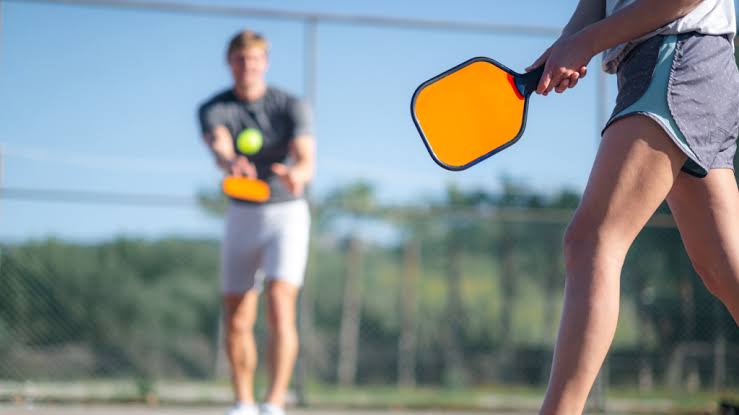
Easy to learn, easy to overdo
Pickleball gets people moving who haven't been on a court in years, and that is great news, right up until one hard lunge at the kitchen line ends the season. The injuries that follow are predictable: ankles that roll, elbows that burn, shoulders that complain, and backs that lock up after a long afternoon of play.
Most of these problems are preventable, and nearly all of them are easier to fix when they are caught early. This is the first of four posts on the subject. Today we cover the most common pickleball injuries, a simple warm-up, and how to tell whether pain can wait or needs to be looked at. Each of the next three posts takes a deeper look at one injury.
The most common pickleball injuries
Pickleball injuries fall into four groups: the lower body, the upper body, the back and hips, and falls.
Lower body
Ankle sprains. The most common acute injury, from side-to-side cuts, stepping on a ball, or rolling over a partner's foot.
Achilles strains and ruptures. The classic weekend-warrior injury, usually from an explosive push-off by a player who is not conditioned for it.
Calf strains. Often called "tennis leg," and also caused by sudden acceleration.
Knee pain. Meniscus irritation, kneecap pain, and flare-ups of arthritis from pivoting and low, lunging stances.
Plantar fasciitis. Heel and arch pain, frequently tied to shoes without enough side-to-side support.
Upper body
Shoulder strains. Rotator cuff irritation and impingement from overhead shots and reaching for lobs.
Elbow pain. Tennis elbow on the outside and golfer's elbow on the inside, often from a tight grip or a paddle that is the wrong weight or grip size.
Wrist sprains. Most often from a fall onto an outstretched hand.
Back and hips
Low back strain. From rotating, bending to scoop low balls, and long stretches in a flexed posture.
Hip flexor and groin strains. From wide lunges and quick changes of direction.
Falls
Fractures and head injuries. Falls cause the most serious injuries, including wrist and hip fractures. Backpedaling to chase a lob is the classic setup.
Eye injuries. Less common, but a ball to the eye can do real damage, which is why protective eyewear is worth considering.
Why pickleball hurts people
Most pickleball injuries come from a mismatch between what the game asks of the body and how prepared the body is. A few patterns show up again and again:
The game looks gentle. Because the court is small and the ball is light, many players skip any preparation and go straight to play.
Stop-start movement. Short sprints, sudden stops, and quick direction changes load the ankles, calves, Achilles tendons, and knees in ways walking and easy exercise never do.
Players start later in life. Many people take up pickleball in their 50s and 60s, often after years of low activity, when tendons and joints tolerate sudden load less well.
The wrong shoes. Running shoes are built for forward motion. Pickleball needs lateral stability.
Too much, too soon. Playing several days in a row with no recovery is a common route to tendon pain in the elbow, shoulder, and heel.
Equipment fit. A paddle that is too heavy, or a grip that is too small, makes the forearm and elbow work harder on every shot.
A 7-minute pickleball warm-up
A good warm-up raises your body temperature, wakes up the muscles you are about to use, and rehearses the movements the game demands. Do it before your first serve and keep it dynamic: save the long static stretches for after play.
Easy walk or light jog in place, 1 minute. Get the blood moving before anything else.
Ankle circles and slow calf raises, 1 minute. Ten calf raises on each leg, slow on the way down.
Leg swings, 10 per leg in each direction. Front to back, then side to side, holding the fence or your paddle for balance.
Walking lunges with a gentle twist, 6 per side. This wakes up the hips, glutes, and spine together.
Bodyweight squats, 10 reps. Keep the heels down and the chest tall.
Arm circles, small to large, 10 each direction. Follow with easy shoulder rolls.
Wrist and forearm prep, 30 seconds. Open and close the hands, circle the wrists, and gently flex and extend each one.
Side shuffles and quick short steps, 2 rounds of 30 seconds. This is the footwork you will actually use at the line.
Easy dinking at half speed, 2 minutes. Treat the first few minutes of play as part of the warm-up and hold the hard drives and overheads until you feel loose.
If the temperature is cold, as it often is on the Cape in the fall, add a few extra minutes and keep a layer on until you are sweating.
When to see a Dr. Mike
Most pickleball aches and pains do not need an emergency room. They need a hands-on exam, a clear diagnosis, and a plan, and the sooner that happens, the shorter the recovery usually is. Soreness after a hard session is normal. Pain that is sharp, getting worse, or changing how you move is your cue to book a visit.
Schedule a visit if you notice any of these
Pain that has lasted more than a few days or has not clearly improved after about two weeks of rest and easy self-care.
Pain that comes back every time you play, even if it fades once you warm up.
An ankle sprain with swelling or bruising that is not settling after 48 to 72 hours, or an ankle that feels unstable.
Elbow, shoulder, or heel pain that builds during play and is worse afterward.
Low back pain or stiffness that lingers after a game or limits bending and twisting.
A knee or other joint that catches, locks, or gives way.
Pain at night or at rest, not just when you play.
Changing your swing, stride, or grip to avoid pain.
Numbness or tingling in an arm, hand, or leg that comes and goes.
Repeat injuries, or you simply want a movement check before the season starts.
Why earlier is better
Aches in the elbow, shoulder, and heel are the ones people tend to play through, and they are also the ones that turn into long-term problems. A chiropractic exam looks at the sore spot and at the movement around it, including the feet, hips, spine, and shoulder blades, which often explain why it started hurting in the first place. If your exam shows you need imaging or another type of provider, we will point you in the right direction.
When to go to the emergency room instead
Some injuries cannot wait for an office visit. Go to the emergency room or call 911 if you have:
A bone sticking out of the skin, or a joint or limb that looks obviously deformed.
Severe pain with rapid swelling after a fall, or you cannot move the area or put any weight on it.
A head injury with confusion, repeated vomiting, a worsening headache, or any loss of consciousness.
A ball to the eye with vision changes, severe pain, or blood in the eye.
Back pain along with leg weakness, numbness in the groin or inner thighs, or any loss of bladder or bowel control.
Heavy bleeding or a deep wound.
This post is for education and is not a substitute for medical care. If you are not sure whether an injury is an emergency, err on the side of going to the emergency room.
What's next in this series
This post was the overview. In the next three, we go deeper on one injury at a time: what is happening in the body, how to recognize it early, and what actually helps recovery and prevention.Ankle and Achilles injuries
Elbow pain (tennis elbow and golfer's elbow)
Shoulder and rotator cuff problems
If you are playing through an ache, coming back from an injury, or want a movement check before the winter season, we would be glad to help you keep playing. Reach out to us at Mind Body Spine Chiropractic in Brewster. You can call or text 508-896-7277.


MAP
© 2026 Mind Body Spine Chiropractic. All Rights Reserved. Accessibility Statement - Privacy Policy - Terms and Services - Sitemap
Powered by: 